
Blog
Learn more about our processes and how we do things.

When a Custom Software Solution Is Worth It (and When It Isn't)
Build, buy, or configure, argued from cost and risk
Most people searching for a custom software solution are still deciding whether to build at all. Here is how to weigh custom software against off-the-shelf products and configurable platforms, including the costs that show up after launch.
IT Software Development Company: Two Different Businesses, One Search Term
How to tell a software firm from an IT shop that also builds software
The word IT in this search pulls in dedicated software firms and IT services companies that also sell development. Here is how to tell which one you are talking to before the first call.
Website Ecommerce Development: When a Platform Stops Being Enough
The decision that comes before you pick a vendor
A buyer's guide for anyone searching website ecommerce development: what Shopify, WooCommerce, and Magento genuinely cover, where a platform's ceiling shows up in your own business logic, what custom development involves once you are past it, and who owns the code and infrastructure after launch. It is grounded in Wine Spies, a store whose storefront, cart, and checkout we built and still run.
Custom Software Development Services: What's Actually in the Contract
The four boundaries a phase diagram never shows you
Every page ranking for custom software development services shows you the same lifecycle diagram, and none of them tells you which phases the quote covers, who is assigned to them, or what you hold when the last one ends. This walks through the four boundaries where two otherwise identical quotes actually differ, using three of the ranking vendor pages as worked examples of where each boundary goes unstated.
Mobile App Development Agency: Who Holds the Account Your App Ships Under
The ownership question a code clause does not settle
Every agency on your shortlist will tell you that you own the code, and that is usually true, but the Apple Developer Program enrollment and Google Play Console account your app is actually published under are a separate asset controlled by whoever signed up for them. This walks through Apple and Google published app transfer rules to show what moving an app between accounts really requires, and why whose account it is belongs in the agreement before the first build is submitted.
Data Integration Software: How to Decide Between Buying and Building
The buyer's framework the vendor comparison lists skip
Most guides to data integration software rank vendors on connector counts and assume buying is the right answer. This piece works the decision instead: what a packaged tool genuinely takes off your plate, the three situations where it stops helping, and the questions that tell you whether to buy, build, or do both.

Artificial Intelligence Integration: What It Actually Takes to Add AI to an Existing Product
Scoping an AI feature into a product you already run
Search results for AI integration are written for enterprises rolling a model out across many systems and departments, which leaves out the far more common case: one existing product and a team that already owns the codebase. This covers how to scope an AI-backed feature, what to do when the model is wrong or unreachable, and what genuinely changes about testing, monitoring, and code review.
Fractional CTO Services: What They Cover and How to Evaluate One
What's actually being sold, and how to tell providers apart
A buyer's guide to the fractional CTO category: what these engagements cover across providers, how fractional differs from interim and full-time, and the ways the fee tends to be structured. It also covers the advisor-only versus team-backed split that most providers leave unstated, and the questions worth asking before you sign.
How to Vet a Rails Consultant Before You Hire One
How to judge one person when the credentials describe a company
Search "rails consultant" and you get agency service pages using the word as a job label, a marketplace that already did the vetting without showing its work, and one decent consultant-versus-team comparison that stops before the part you need. This post covers what a consultant engagement is actually for, four questions that reveal how a specific person thinks, and the continuity question none of the listings raise.
How to Choose a Ruby on Rails Development Company
The questions that tell Rails shops apart
What a Rails development company actually does, the three shapes an engagement can take, and the specific questions that separate a durable Rails partner from a body shop. Includes the honest cases where you don't need one at all.

San Diego Mobile App Development: How to Hire a Team That's Actually Here
A buyer's guide from Coronado
The pages ranking for this search are location templates from firms based somewhere else. This is the local answer: how to read those results, what a mobile app project involves, and the mobile work we've shipped from Coronado.
Ruby on Rails End-of-Life Schedule (and What It Means for Your App)
Every version's support dates, verified July 2026
The complete Rails end-of-life schedule as of July 2026, plus the Ruby support clock that runs alongside it and what to do next based on the version your app is on.
How Long Does a Rails Upgrade Take?
Count the hops, then score five factors
A Rails upgrade runs anywhere from an afternoon to several months, and the spread is explainable. Count the version hops between you and the target, score the five factors that set the per-hop time, and you have an estimate you can defend.
What to Expect From a Rails Maintenance Retainer
Month by month, from first audit to steady state
A buyer's walkthrough of a well-run Rails maintenance retainer: what the first month contains, what should arrive every month after that, where the scope line sits, and the questions to ask before you sign.
Rails 7 to 8 Upgrade Checklist
A phase-gated run-sheet for upgrading Rails 7.2 to 8.0: pre-flight, the version bump, the breaking-change sweep, the deploy, and the adoption decisions that come after. Every item is a checkbox with a one-line check that tells you it is done.
Upgrading Rails 7 to 8: A Working Guide
Solid Queue, Propshaft, and the steps we follow on production apps
A practical guide to upgrading from Rails 7 to Rails 8: Ruby 3.2, the Solid libraries, Propshaft, and the order of operations that avoids surprises.
Upgrading Rails 6 to 7: A Working Guide
Zeitwerk, Webpacker's retirement, cookie rotation, and the gem sweep
A field-tested path from Rails 6 to Rails 7: Zeitwerk, the end of Webpacker, cookie rotation, and gem compatibility, in the order that avoids surprises.
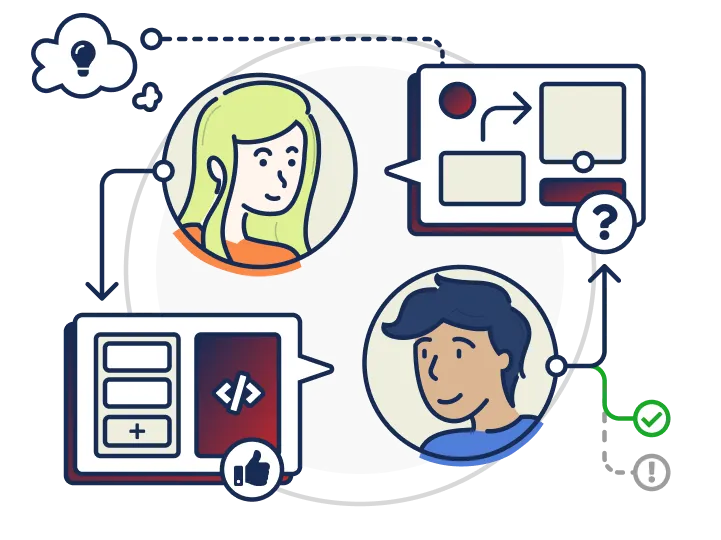
The Real Cost of an Unmaintained Rails App
Deferred maintenance is a loan, and the interest rate is bad
What skipping Rails maintenance actually costs: security exposure, slower features, harder hiring, and rescue pricing when the bill finally comes due.
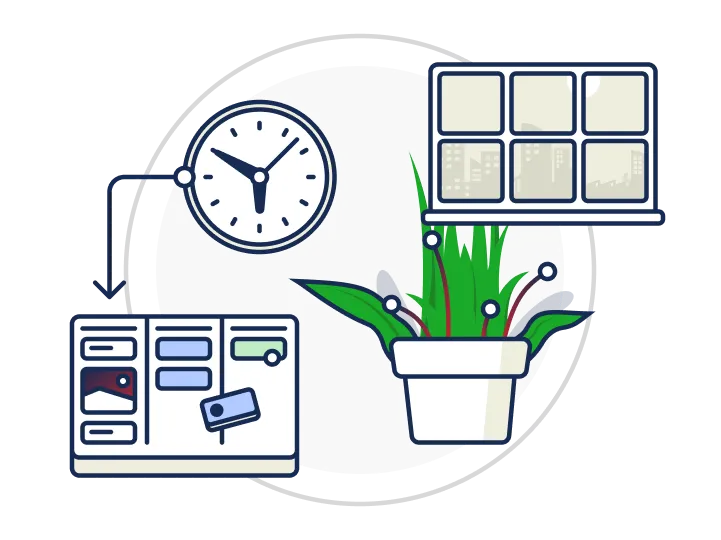
Seven Signs Your Company Needs a Fractional CTO
And two signs it doesn't
The signals that a business has outgrown ad hoc technical decisions, drawn from companies we've stepped into, and the cases where the model fits badly.
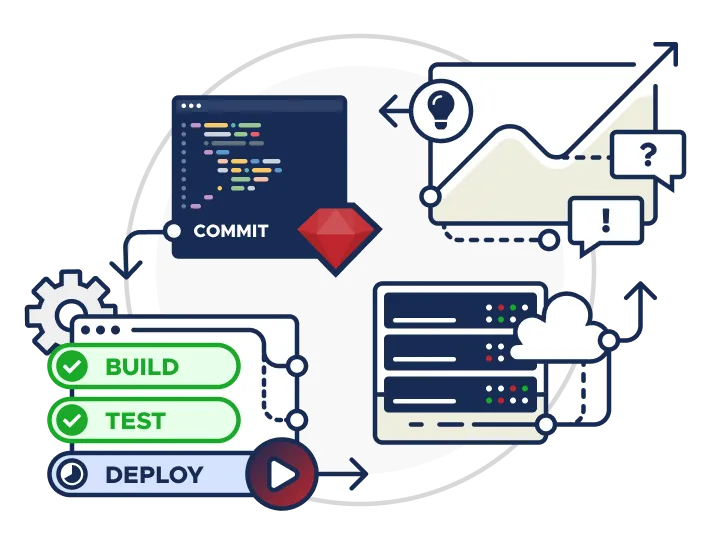
Analytics Engineering for E-commerce Teams
Getting channel data out of dashboards and into decisions
Why e-commerce operators outgrow platform dashboards, and how analytics engineering turns Amazon and Shopify channel data into numbers you can act on.
What a Week-One Codebase Audit Actually Finds
The patterns that show up in almost every inherited app
Every takeover engagement starts with a codebase audit. Here's what week one usually turns up, and what the findings mean for your first real roadmap.

